

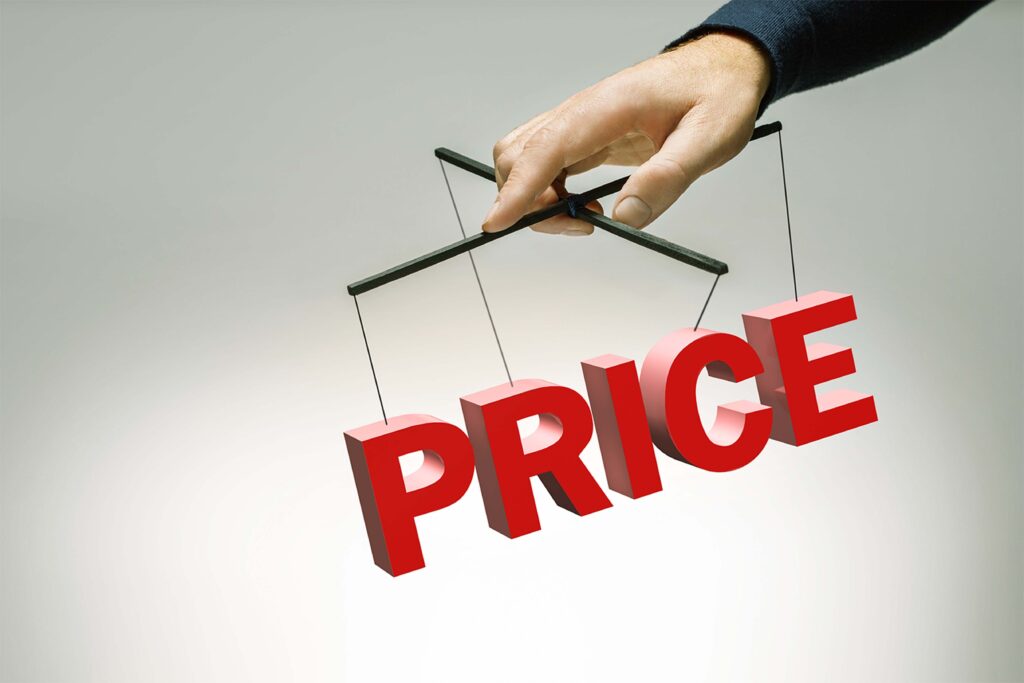
🚀 The Power of Price Anchoring 🚀
In December 2019, Yatri Motorcycles unveiled their prototype, creating immense anticipation. Fast forward to April 2021, and they revealed their prices – Rs. 495,000 for P1 and Rs. 1,949,000 for P0. The internet erupted with reactions – some supportive, others poking fun at the pricing.

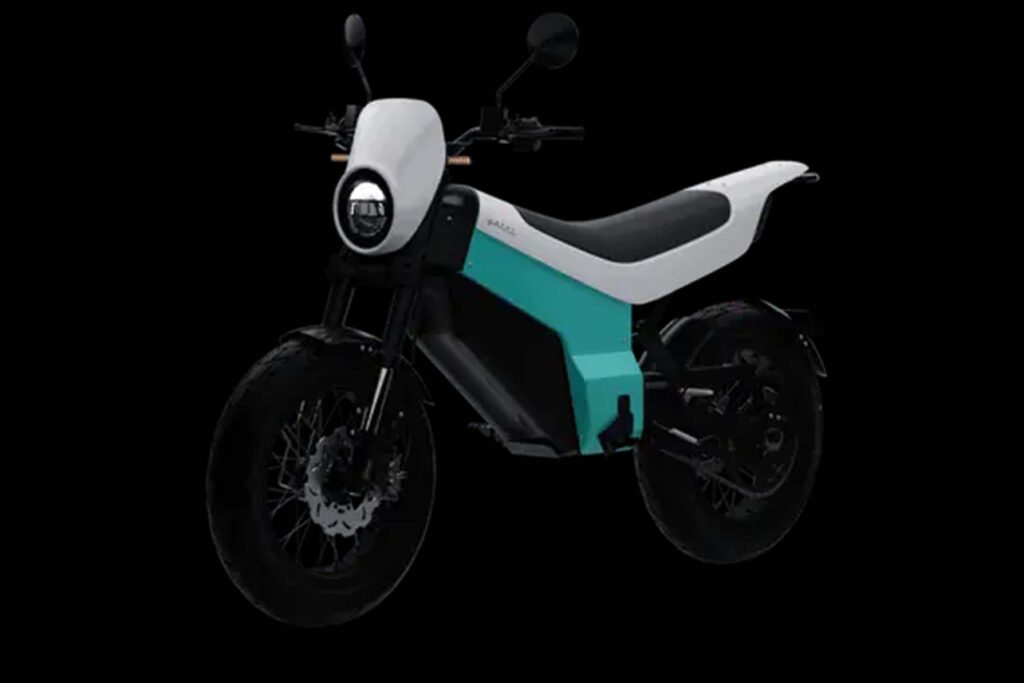
🤔 Why the Price Backlash? Was It Justified?
📺 The video presented here is one of the most incredible videos to understand how a product should be launched and to understand how the Price anchors works.
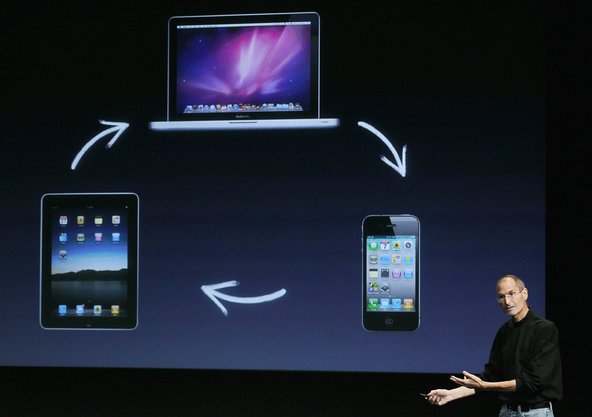
Steve Jobs masterfully employed price anchoring to reshape our perception of value. He showcased the iPad, not just as a device, but as a portal to endless possibilities. 💡💻📱
🔗 Price anchoring, a fascinating concept in the world of consumer psychology, lies at the heart of successful pricing strategies. Price anchoring is actually a form of reference pricing. The reference point, or “anchor,” serves as a starting point for these comparisons and can be a key factor in shaping consumers’ perceptions of value and price.
🔍 The magic happened when Steve ingeniously compared the iPad with both laptops and iPhones. By positioning the iPad as the bridge between these two worlds, he anchored our understanding of its value. 💰✨ He didn’t just talk features; he painted a vivid picture of how the iPad could enhance our lives.
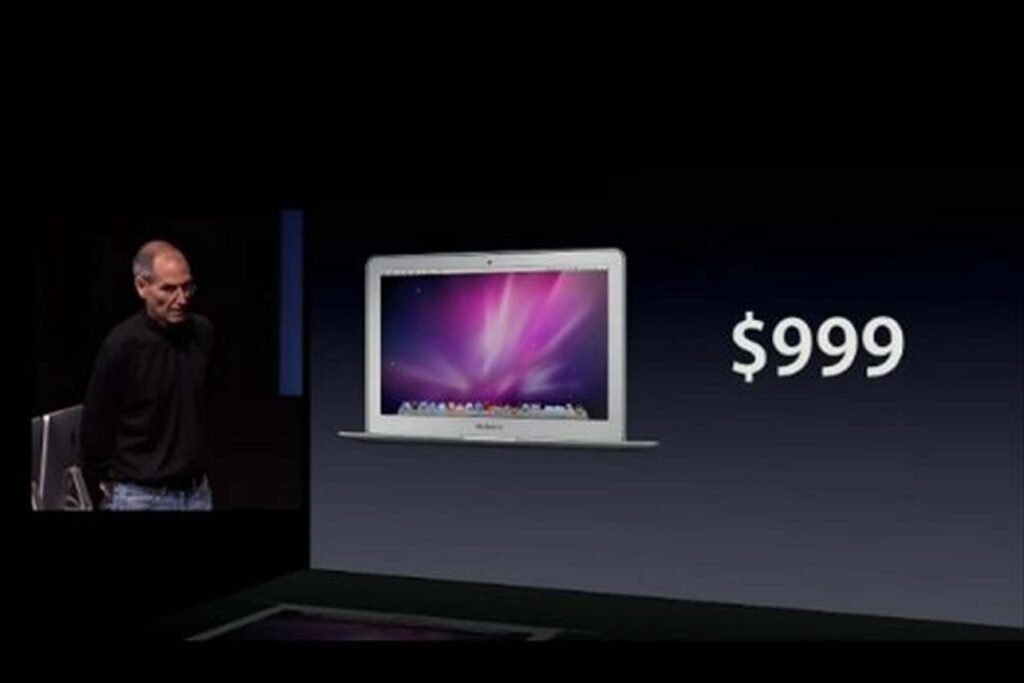
💼💪 The reference point ($999) he established became our starting line for assessing value, making us more receptive to the price.
🔑 The Lesson for Yatri:
Category Establishment: Begin by carving your niche and establishing your brand within a specific category.
Strategic Leaks: Gradually leak an anchor price before the official launch to provide context and perspective, aligning consumer expectations with your pricing strategy. What’s your take on this? Share them in the comments below! 🌈💬

0 Comments