


Have you ever been moved to tears by a heartwarming scene in a movie or a touching advertisement? Emotions have a peculiar way of captivating us, often defying rationality.
I was watching this scene from pk. Do you recall this emotional scene from the movie “PK . If you have seen it, you must also have loved it. But this scene really does not make sense. Why?
The old couple in this scene has been married from last 50 years. Yet a husband is ashamed to tell his wife that he does not have more money and shamelessly starts to beg on the streets to random strangers. How could a couple married for 50 years remain oblivious to each other’s financial situation?
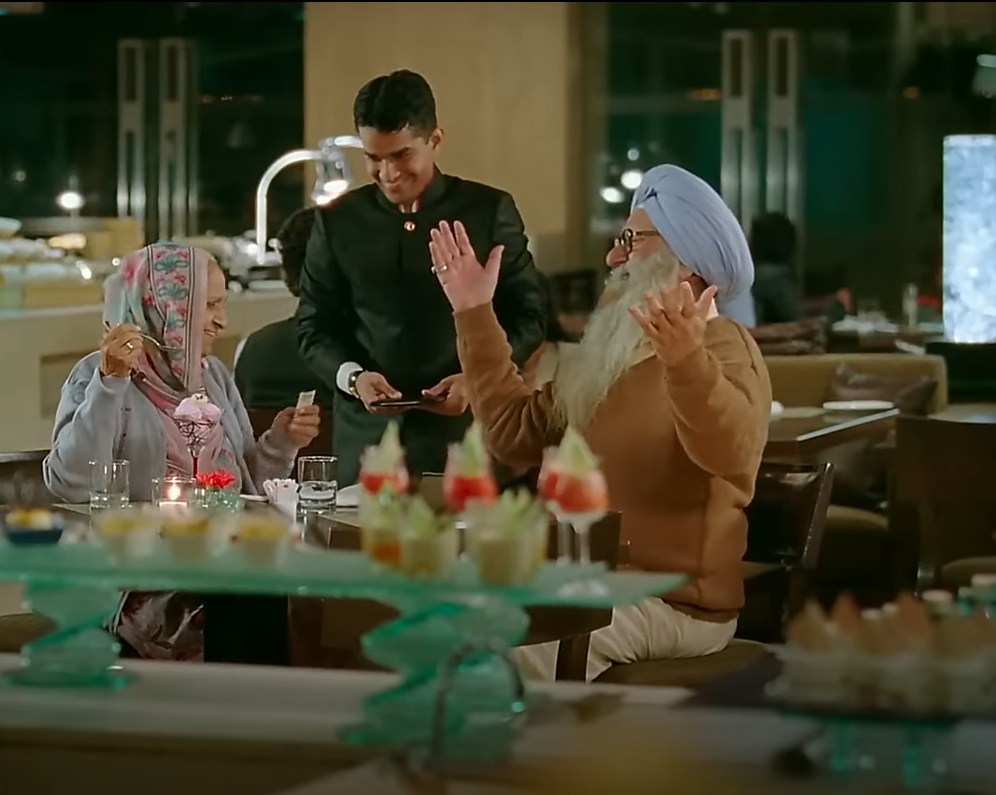
Ya. I am being too pricky here. But the question is why we are not very rational when we see such an emotional scene? Emotions wield a profound influence on our thoughts and behaviours. When we watch emotional scenes, we become susceptible to the power of empathy, resonating with the characters’ feelings. In these moments, our rational faculties often take a backseat, and we willingly immerse ourselves in the emotional narrative.
How does emotion work? More importantly how emotion works in TVCs.
Advertisers believe that emotional content compels us to pay more attention, but an eye-tracking experiment led by Robert Heath and his colleagues reveals a surprising twist. Contrary to expectations, emotive content reduces overall attention to the ad. Yet, this reduced attention is strategic.
Here’s how it works: When we encounter content that evokes positive emotions, we naturally incline towards it, fostering a sense of trust and favourability. As our trust in the advertisement grows, we become less inclined to scrutinize it with counter-arguments. This subtle influence helps establish a deeper connection with the brand and its values.
Hence emotional advertising works better in building brands than the rational ads.
Here is the link to the paper:
Heath’s book, “Seducing the Subconscious,” delves further into this captivating subject, providing even more fascinating insights into the power of emotion in advertising.
For any Dr. Robert Heath in his book Seducing the Subconscious has written how emotion works. Emotion reduces the attention from the nuances of the scene and makes us less counter argumentative. That is you tend to become less rational when you see something emotional. Emotional blinds your rationality.
Advertisers think that their creativity makes us pay more attention to them. What really happens turns out to be the opposite: the more advertisers attempt to subconsciously seduce us with creativity, the more we like it, the less we feel threatened by it, and the less attention we feel we need to pay to it. So, the more creative advertising is, the less attention we pay, and the less well we recall the message it is trying to get over.

0 Comments