


The Curious Case of Recognition and Discount
I used to visit my sister’s house in Kirtipur often. After the dinner I used to go for a walk on the terrace of the house. There was a guy who I saw sometimes standing on the terrace of the adjacent house. We never spoke, never introduced each other. You might have experienced similar phenomenon?
After few months I was in a restaurant sipping coffee and there he was, the same guy from the terrace. I didn’t know his name but this time we both tried to introduce each other as we recognized each other from the terrace. He was manager in the coffee shop and he also gave me a discount. I was confused. What happened here? What happened here is actually what is mere exposure effect.
Mere Exposure Effect
The first scientist to identify the mere exposure effect was Robert Zajonc. According to Zajonc’s mere exposure hypothesis, the repeated exposure of an individual to a stimulus is sufficient for that individual to develop a more enhanced attitude toward that stimulus.
The Mere Exposure Effect in Buying Situations:
When we are in a buying situation several stimuli are competing. There are several features which are conscious mind has to weigh on before making a decision. This process is very tiring for brain. So our brain tries to use shortcuts. That’s where mere exposure comes into picture.
Repeated exposure to a stimulus not only creates mental availability but at subconscious level it creates the familiarity with the brand. Familiarity creates liking for the brand. Why familiarity works is because it is easy for the brain to process. Hence providing perceptual fluency.
But familiarity is only one side of the story. People also need novelty
The MAYA Principle: Finding the Optimal Balance:
Raymond Loewy (1893-1986), widely hailed as the father of Industrial Design, has an impressive track record of iconic creations. The Air Force One logo, the Coca-Cola bottle, the Shell Oil logo, the US Postal Service logo, are just some of his impressive designs which still exist today.
Loewy believed that customers already have some expectations of what things should look like. This happens as a result of the past experience and past exposures. He said “The adult public’s taste is not necessarily ready to accept the logical solutions to their requirements if the solution implies too vast a departure from what they have been conditioned into accepting as the norm.”
In other words, while customers crave familiarity and trust in established patterns, they also yearn for novelty to capture their attention. This delicate balance forms the core principle of MAYA (Most Advanced Yet Acceptable), which asserts that even as designs advance in sophistication, they should never alienate the public but instead strike a harmonious chord with their sensibilities. By embracing this principle, designers can create resonant and successful designs that cater to the mass market’s desires.
Apple’s Newton (personal digital assistant) is widely quoted as a product failure that didn’t follow the MAYA principle. Newton was so advanced that it was not accepted by the people. Apple became successful with the iPod and iPhone because of the gradual changes they made to the design. They started with something which people were familiar with and then kept on changing the design gradually.
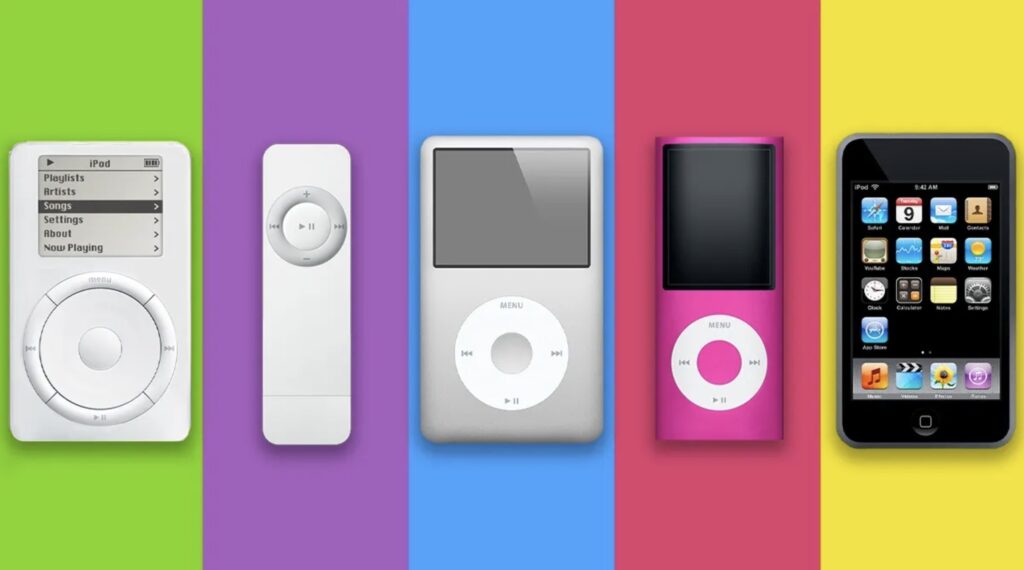
MAYA principle also holds significant relevance in the realm of positioning strategies and the establishment of Points of Parity (POP) and Points of Difference (POD). When implementing the MAYA principle, a brand must strive to offer unique attributes and experiences that set it apart from others (POD) while simultaneously aligning with consumers’ existing mental frameworks and perceptions (POP). Not to forget that POP play major role in establishing the brand in the category. By striking this balance, brands can position themselves as both distinct and relatable, effectively capturing consumer attention while still fostering trust and familiarity.
Marketers in the race to make their designs (product, package, advertising) different make their design alienated from the customers. These designs sometimes fail to establish the brand in the category and sometimes create problems with usability. As a result, they fail to diffuse in the market. In the world of marketing and design, the power of familiarity and novelty cannot be underestimated.
https://www.linkedin.com/posts/pushkar-sharma-2642526_packaging-attention-brand-activity-7042521234194010112-qyDO?utm_source=share&utm_medium=member_desktophttps://www.linkedin.com/pulse/power-familiarity-novelty-unveiling-mere-exposure-effect-sharma

0 Comments