


Survivorship Bias
We see success stories and get inspired by them. Biographies are written on success people; case studies are written on successful companies. To top that documentaries are made, movies are made which take the popularity of these successful entities to altogether different level. These people, these companies are exceptional and that is why it can easily fool you. Because of survivorship bias.
What is survivorship bias?
Survivorship bias or survival bias is the logical error of concentrating on entities that passed a selection process while overlooking those that did not. This can lead to incorrect conclusions because of incomplete data.
Abraham Wald, a statistician, renowned for studying the planes during World War II coined the word. In order to determine how the planes can be better protected, the group of which Wald was part of, assessed the most damaged parts of the planes, returned from war, so that they can reinforce more protection in those areas. It was assumed that the areas with most damaged part would need more protection. But Wald recommended adding armour to the areas that showed the least damage. The bullet holes in the returning aircraft represented areas where a bomber could take damage and still fly well enough to return safely to base.
A Nawazuddin Siddique, Manoj Bajpyee and Pankaj Tripathi get the limelight because they out of their struggles successfully. They give interviews and their success is visible to others. They inspire others.
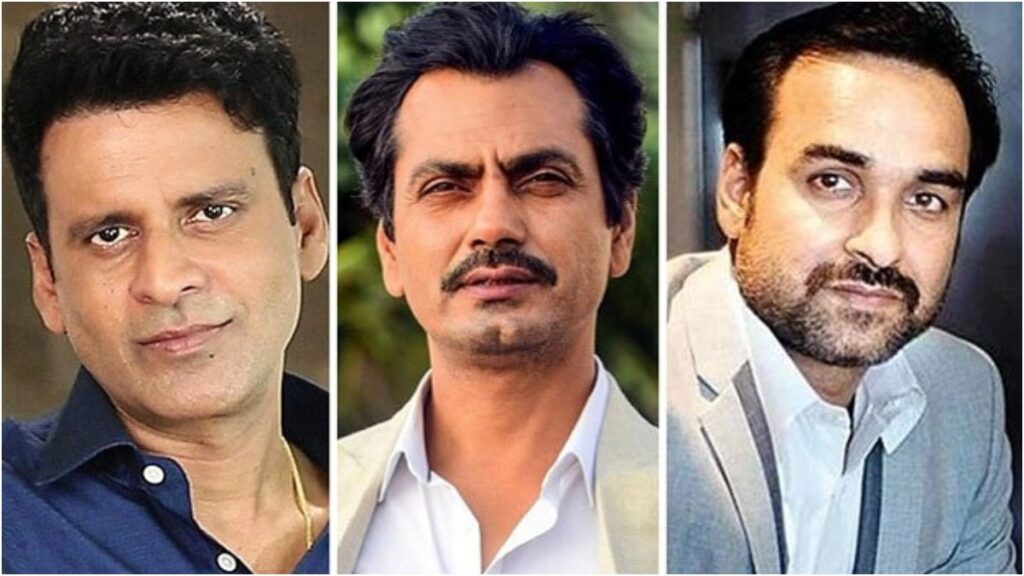
No doubt they are talented and got their dues. But what we conveniently ignore is that there may be equally talented, equally hardworking individuals who could not make it. Sometimes just because they were not present in the right place at the right time.
Sports, Films, Start-ups are all filled with such stories. In order to avoid this effect, it is important to see the full picture. One must not only be aware of the success stories but also the failures who followed the similar path.
We often find ourselves captivated by success stories, deriving inspiration from them. Biographies are penned about accomplished individuals, and case studies extol the virtues of thriving companies. To add to this, documentaries and movies further elevate the popularity of these exceptional entities. It’s easy to be beguiled by their exceptional achievements, but here’s where survivorship bias comes into play.
But what exactly is survivorship bias?
Survivorship bias, also known as survival bias, represents a logical error in which we focus on entities that successfully passed a rigorous selection process while disregarding those that didn’t make the cut. This bias can lead us to draw incorrect conclusions due to incomplete data.
The term was coined by Abraham Wald, a renowned statistician who conducted pivotal studies during World War II, particularly concerning aircraft survival rates. Wald’s team aimed to enhance the protection of planes by assessing the damage sustained by returning aircraft. The assumption was that reinforcing the most damaged areas would be the logical choice. However, Wald’s insight was different. He recommended adding armor to the areas that showed the least damage. Why? Because the bullet holes in the returning aircraft represented areas where a bomber could take damage and still safely return to base.
Now, consider the realm of entertainment, where actors like Nawazuddin Siddique, Manoj Bajpayee, and Pankaj Tripathi bask in the limelight due to their remarkable success stories. They grant interviews, and their triumphs serve as a beacon of inspiration to others.
However, it’s crucial to remember that while these individuals are undoubtedly talented and hardworking, there may be equally gifted and diligent individuals who didn’t achieve the same level of recognition. Sometimes, it’s simply a matter of not being in the right place at the right time.
This phenomenon isn’t limited to the world of entertainment. Sports, films, startups—all are replete with such stories. To counter the effects of survivorship bias, it’s imperative to view the entire panorama. We must not only celebrate the success stories but also acknowledge the countless failures that traversed similar paths.
🌟 Avoiding Survivorship Bias: A Lesson in Perspective 🚀
We’re often drawn to success stories like moths to a flame—biographies, case studies, and even documentaries celebrate the triumphs of exceptional individuals and companies. But there’s a hidden pitfall we should be aware of: survivorship bias.
So, what’s survivorship bias?
It’s the tendency to focus on those who made the cut and succeeded while overlooking those who didn’t. This bias can lead to faulty conclusions due to incomplete data.
The term was coined by Abraham Wald, a statistician during World War II. His team sought to make planes safer by studying returning aircraft. They initially thought reinforcing the most damaged areas made sense. But Wald saw it differently. He recommended adding armor to the areas with the least damage—because those were the parts that mattered most for survival.
Now, consider actors like Nawazuddin Siddique, Manoj Bajpayee, and Pankaj Tripathi, who shine in the entertainment world. They inspire us with their journeys and successes. Yet, we mustn’t forget the equally talented individuals who didn’t get their moment simply because luck didn’t favor them.
This bias isn’t limited to entertainment—it’s prevalent in sports, films, startups, and beyond. To combat survivorship bias, let’s celebrate success stories but also remember those who gave their all, even if the spotlight didn’t find them.
In the pursuit of knowledge and inspiration, let’s ensure we see the full picture. 🌄💡 #SurvivorshipBias #PerspectiveMatters

0 Comments